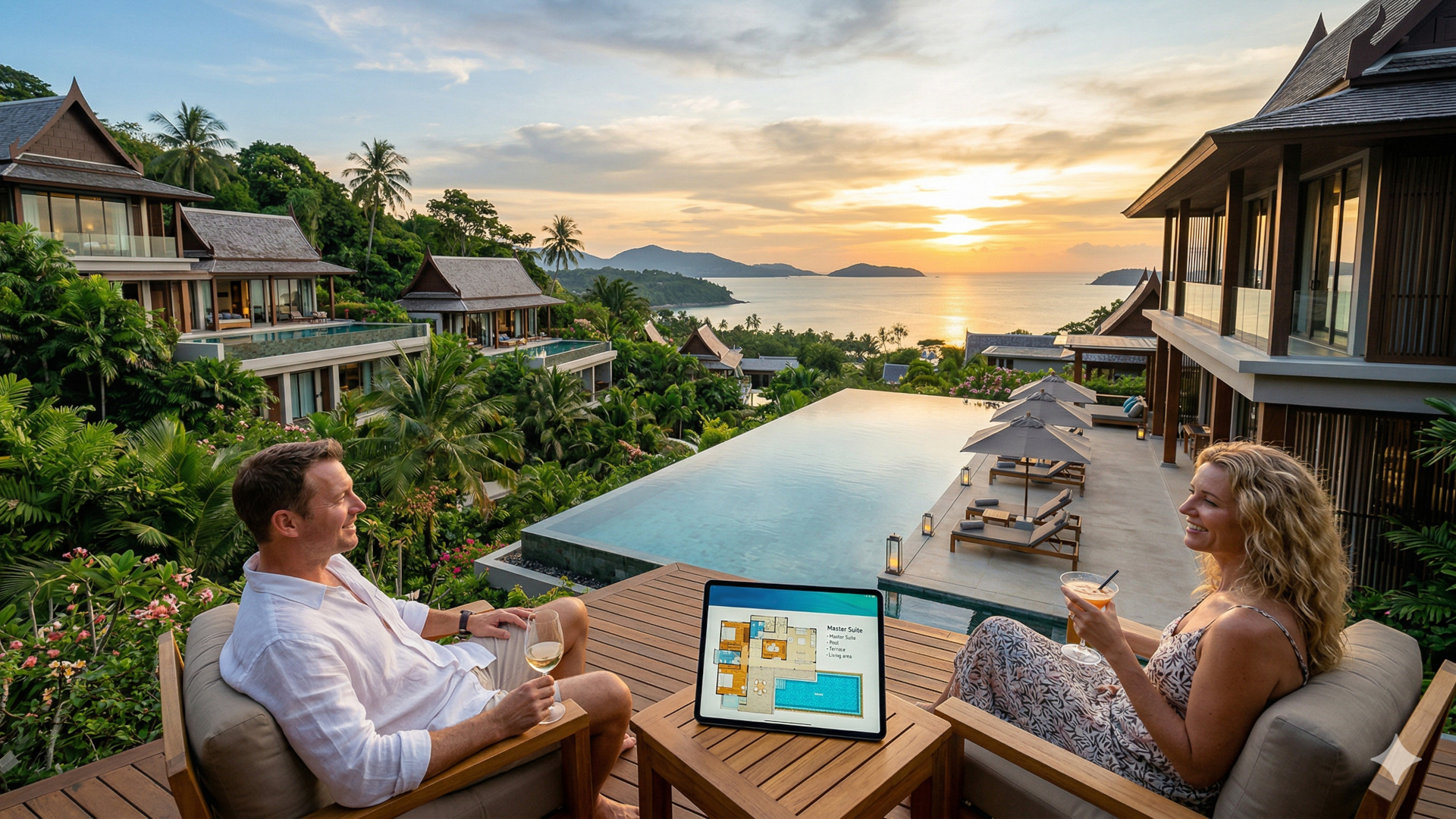
Buying Property in Thailand: The 2026 Ultimate Guide for Foreigners
Introduction
Thailand has long been more than just a holiday destination; it has evolved into a global hub for digital nomads, retirees, and savvy investors looking to acquire real estate in Thailand. As we move through 2026, the appeal of the "Land of Smiles" remains stronger than ever. From the high-rise luxury of Bangkok to the serene mountains of Chiang Mai and the turquoise waters of Koh Samui, the opportunities for a property buy thailand are diverse and rewarding.
However, navigating a foreign real estate market is never without its hurdles. The legal landscape in Southeast Asia is unique, and Thailand is no exception. Whether you are looking for a vacation home, a retirement nest, or a high-yield rental investment, understanding the local regulations is the difference between a dream purchase and a legal nightmare. This guide is designed to be your definitive resource for 2026, breaking down everything from ownership structures to the hidden costs of closing a deal.
At Real Estate Thai, we believe that transparency is the foundation of trust. By the end of this guide, you will have a clear roadmap of how to successfully navigate the market and secure your piece of paradise.
The Big Question: Can a Foreigner Buy a House in Thailand?
One of the most common questions we receive is: Can a foreigner buy a house in Thailand? The short answer is: Yes, but with significant caveats.
Thai law, specifically the Land Code Act, generally prohibits foreigners from owning land in their own name. This means that if you see a beautiful villa or a traditional house on a plot of land, you cannot simply walk into the Land Office and register the deed (Chanote) under your individual foreign passport.
The Condominium Exception
The most straightforward way for a foreigner to own real estate is through the Condominium Act. Foreigners are permitted to own 100% of a condominium unit outright (Freehold), provided that the total foreign ownership within that specific building does not exceed 49% of the total floor area. This is known as the "Foreign Quota." As long as you purchase within this quota, you receive a title deed in your name, giving you the same ownership rights as a Thai national.
Owning the Structure vs. The Land
When it comes to houses and villas, the law makes a distinction between the land and the structure built upon it. While you cannot own the land, you can own the building itself. This leads many expats to utilize a "Leasehold" structure for the land while maintaining ownership of the house. In 2026, this remains the most common and legally sound method for those who want a "landed" property rather than a high-rise apartment.
Why These Restrictions Exist
Thailand’s property laws are designed to protect local land from being entirely bought up by international capital, ensuring that the domestic population is not priced out of their own country. For the foreign investor, this simply means you need to work within the established legal frameworks rather than trying to find "shortcuts."
Top Investment Options When You Buy Property in Thailand
If you are looking to buy property thailand, you need to choose the structure that best fits your long-term goals. Here are the most secure and popular routes in 2026:
1. Condominium Freehold
As mentioned, this is the "Gold Standard" for foreign investment. It is simple, highly liquid, and requires the least amount of legal maneuvering. In 2026, luxury condos in Bangkok’s Sukhumvit area or beachfront units in Phuket remain top performers for capital appreciation and rental yield.
2. Leasehold Agreements
For villas and houses, the leasehold structure is the standard. Typically, a foreigner enters into a 30-year lease agreement with the landowner. Under Thai law, 30 years is the maximum duration for a registered lease, though contracts often include "options to renew" for two additional 30-year terms (totaling 90 years). It is vital to ensure these renewals are drafted correctly by a professional lawyer to be enforceable.
3. Thai Limited Company
In the past, many foreigners set up a Thai Limited Company to purchase land. The company, being a Thai legal entity, can own the land. However, the law requires that at least 51% of the shares be held by Thai nationals. The Land Office and the Ministry of Commerce have become much stricter in 2026 regarding "nominee" shareholders—Thais who hold shares but have no real investment in the company. If you choose this route, it must be a legitimate business with real operations, or you risk losing the property.
4. Usufruct and Superficies
These are older, less common legal rights but are gaining traction for specific family-based investments. A Usufruct gives you the right to use and enjoy a property for your lifetime, while a Superficies gives you the right to own the buildings on another person's land. These are often used when a foreigner is married to a Thai national.
The Step-by-Step Guide to a Secure Property Buy Thailand
Success in a property buy thailand depends on following a disciplined process. In 2026, the market moves fast, but skipping steps can be fatal to your investment.
Step 1: Define Your Goal and Region
Are you looking for 8% rental yields? Bangkok or Pattaya might be your best bet. Are you looking for a lifestyle change? Chiang Mai or Hua Hin offer better value for money.
Step 2: Select a Reputable Real Estate Agent
A good agent does more than show you houses; they understand which developers are reliable and which buildings have a healthy sinking fund. They can help you identify units within the "Foreign Quota" before they even hit the open market.
Step 3: Hire an Independent Lawyer
This is non-negotiable. Do not use the developer’s "in-house" lawyer. You need someone whose only loyalty is to you. They will handle the due diligence, checking for liens on the title, ensuring the seller actually owns the property, and verifying that the building has the correct environmental permits.
Step 4: Reservation and Due Diligence
Once you find a property, you will pay a reservation fee (usually 50,000 to 100,000 THB). This takes the property off the market while your lawyer spends 2-4 weeks conducting due diligence. If the property fails inspection, the reservation agreement should stipulate that your fee is refundable.
Step 5: The Sales and Purchase Agreement (SPA)
Your lawyer will review the SPA. Pay close attention to payment schedules, late payment penalties, and who is responsible for the transfer fees.
Step 6: Transfer of Funds (The FET Form)
To buy a condo in the Foreign Quota, you must bring the money into Thailand from abroad in a foreign currency. When the Thai bank receives the money, they will issue a Foreign Exchange Transaction (FET) Form. You must have this document to register the property in your name at the Land Office.
Step 7: Completion at the Land Office
On the day of transfer, you (or your lawyer via Power of Attorney) will go to the Land Office. The remaining balance is paid via cashier's cheque, the taxes are paid, and the title deed is updated.
Expected Taxes, Fees, and Financial Considerations in 2026
When you buy property thailand, the sticker price isn't the final cost. You should budget an additional 2% to 5% for various taxes and fees.
- Transfer Fee: Usually 2% of the appraised value of the property. This is often split 50/50 between the buyer and the seller.
- Stamp Duty: 0.5% of the registered value. This is only paid if the Specific Business Tax is not applicable.
- Specific Business Tax (SBT): 3.3% of the registered or appraised value (whichever is higher). This is applicable if the seller has owned the property for less than five years.
- Withholding Tax: A progressive tax based on the appraised value, usually paid by the seller.
- Legal Fees: Expect to pay between 30,000 and 100,000 THB for a standard property purchase and due diligence.
- Sinking Fund and CAM Fees: For condos, you will pay a one-time "Sinking Fund" fee upon move-in, and monthly "Common Area Maintenance" (CAM) fees for building upkeep.
Conclusion & Next Steps
Buying real estate in 2026 is an exciting venture that can offer incredible lifestyle benefits and strong financial returns. While the answer to "can a foreigner buy a house in thailand" comes with legal complexities, the path is well-trodden and safe for those who follow the rules.
The key to a successful property buy thailand is preparation. Start by visiting our homepage to browse our latest verified listings and connect with agents who specialize in the foreign market.
Your Next Steps:
- Research: Narrow down your preferred province and property type.
- Budget: Ensure you have accounted for transfer taxes and legal fees.
- Connect: Reach out to a qualified real estate professional to begin your due diligence.
The Thai market is waiting for you. With the right team and the right information, your 2026 Thailand property investment can be the best decision you ever make.